
Is Your Workplace Air Safe?
Workplace air quality issues often occur in industries such as manufacturing, fabrication and welding, woodworking, construction, automotive, food production and chemical handling facilities.
If your business involves activities like welding, sanding, cutting, grinding, handling powders, or spraying, you are legally required to implement air quality control measures for your employees.
Dust, fumes, vapours, and mists tend to accumulate gradually, and without proper controls, your workers may be exposed to harmful levels.
What Makes Workplace Air Unsafe?
Workplace air becomes unsafe when hazardous airborne contaminants reach levels that can pose health risks.
Common examples of harmful contaminants include:
- Welding fumes
- Wood dust
- Silica dust
- Flour dust
- Paint spray mist
- Chemical vapours
- Metalworking fluids
Fumes and vapours can be invisible, but just because you can’t see them in the air doesn’t mean the air is safe.

Why Air Quality Matters More Than You Think
Poor air quality can cause short-term irritation and pose serious long-term health risks, including:
- Occupational asthma
- Chronic obstructive pulmonary disease (COPD)
- Skin conditions
- Lasting lung damage
- Increased cancer risk
Your business may also face significant impacts, including increased sickness absence, reduced productivity, dissatisfied employees, higher insurance risks, and regulatory enforcement by bodies such as the Health and Safety Executive.
Extraction Solutions




Do You Need LEV in Your Workplace?
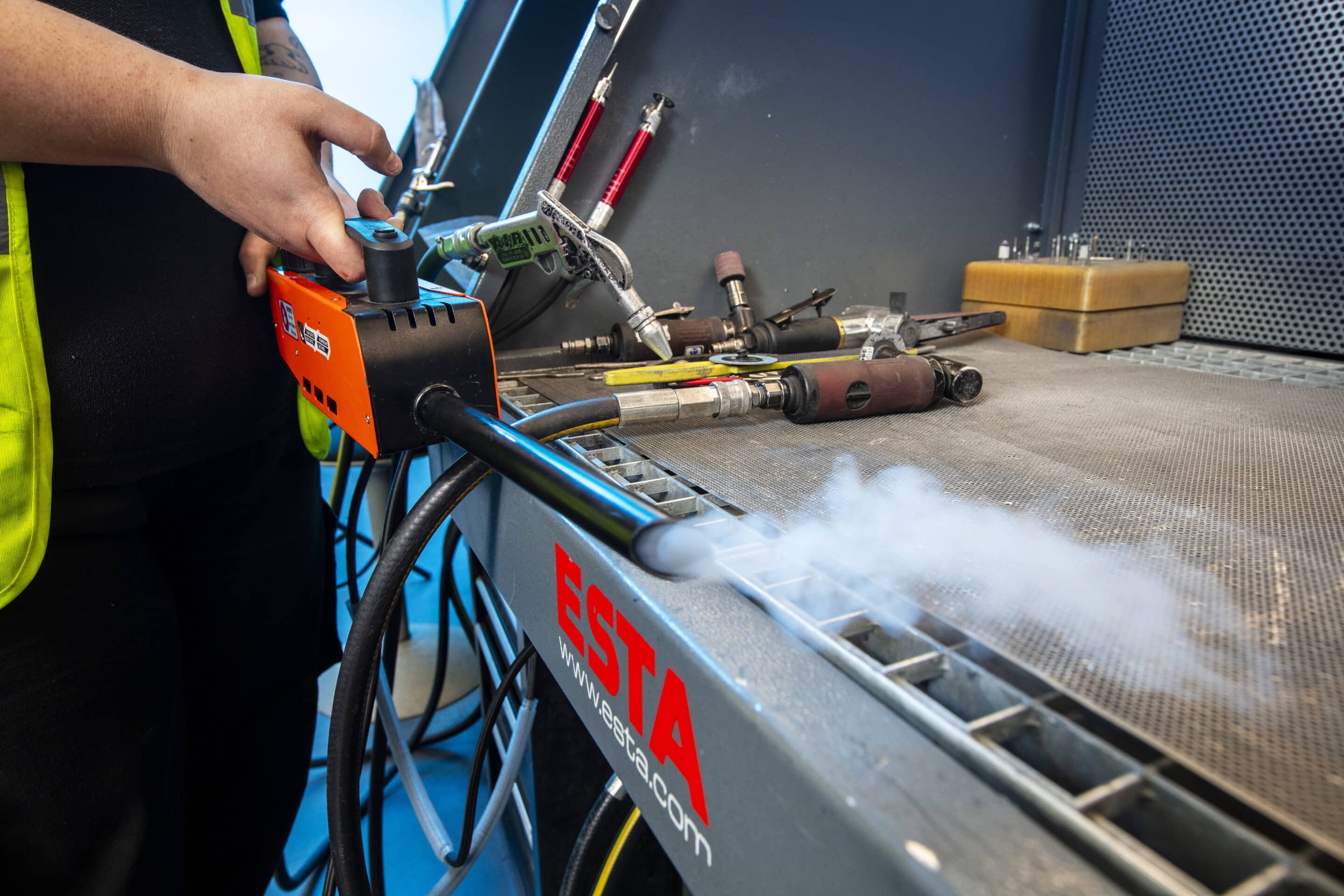
Many businesses are unsure whether they actually need Local Exhaust Ventilation (LEV).
You may require LEV if:
- Your processes generate dust, fumes, vapours or mist
- Contaminants are released directly into the air
- Employees are working close to the source of exposure
- General ventilation (windows, fans) is your only control
- You cannot demonstrate how exposure is being controlled
If any of these apply, LEV is often the most effective and legally expected control measure under Control of Substances Hazardous to Health Regulations 2002.
Your Legal Duty as an Employer
In the UK, workplace air safety controls fall under:
- Health and Safety Executive
- Control of Substances Hazardous to Health Regulations 2002
Under COSHH, employers must:
- Assess risks from hazardous substances
- Prevent or adequately control exposure
- Maintain control measures
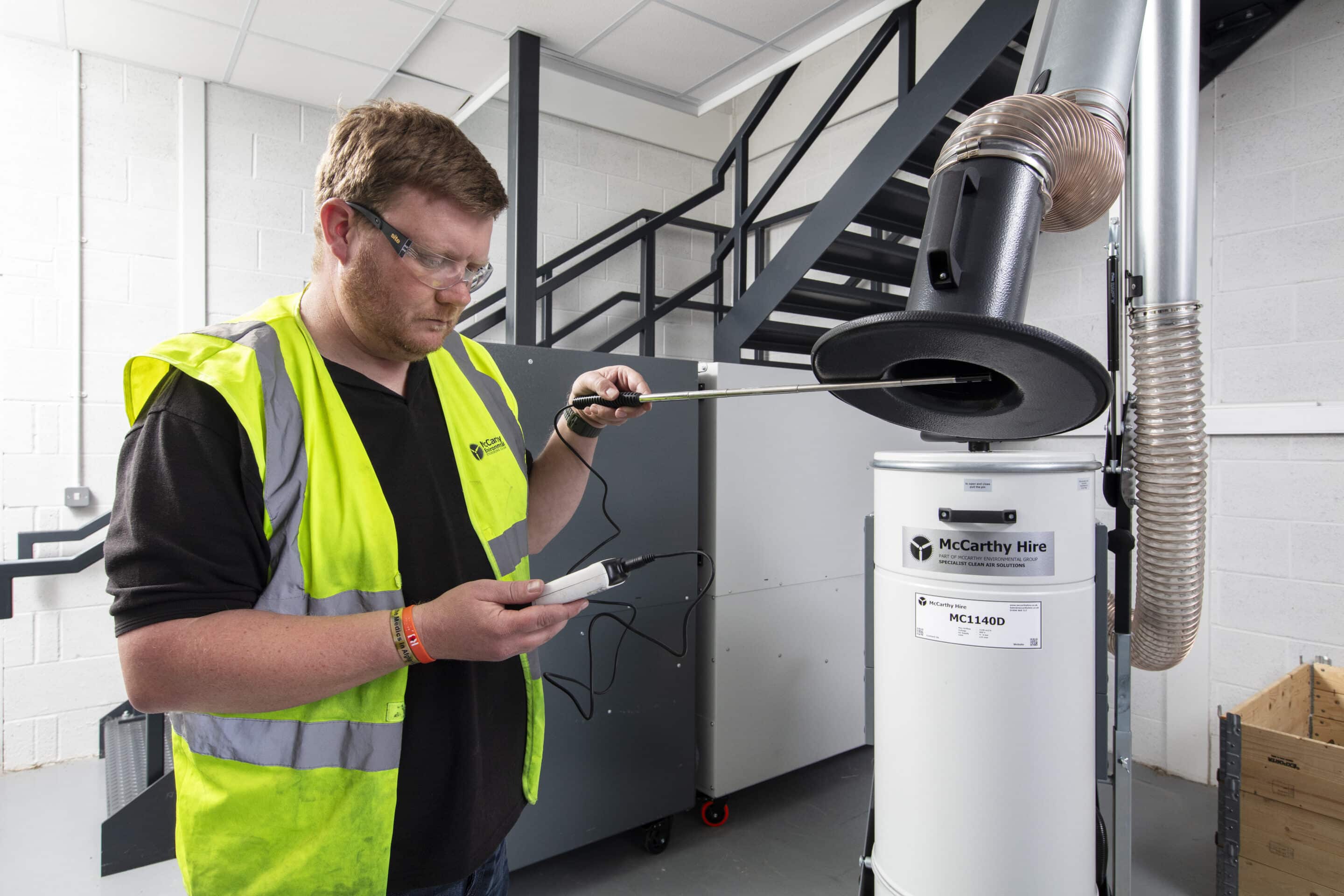
- Ensure systems such as Local Exhaust Ventilation (LEV) are thoroughly examined and tested at least every 14 months (or more frequently where required)
- Keep proper records
In summary, you are legally responsible for protecting your employees from harmful airborne exposure.

Signs Your Workplace Air May Not Be Safe
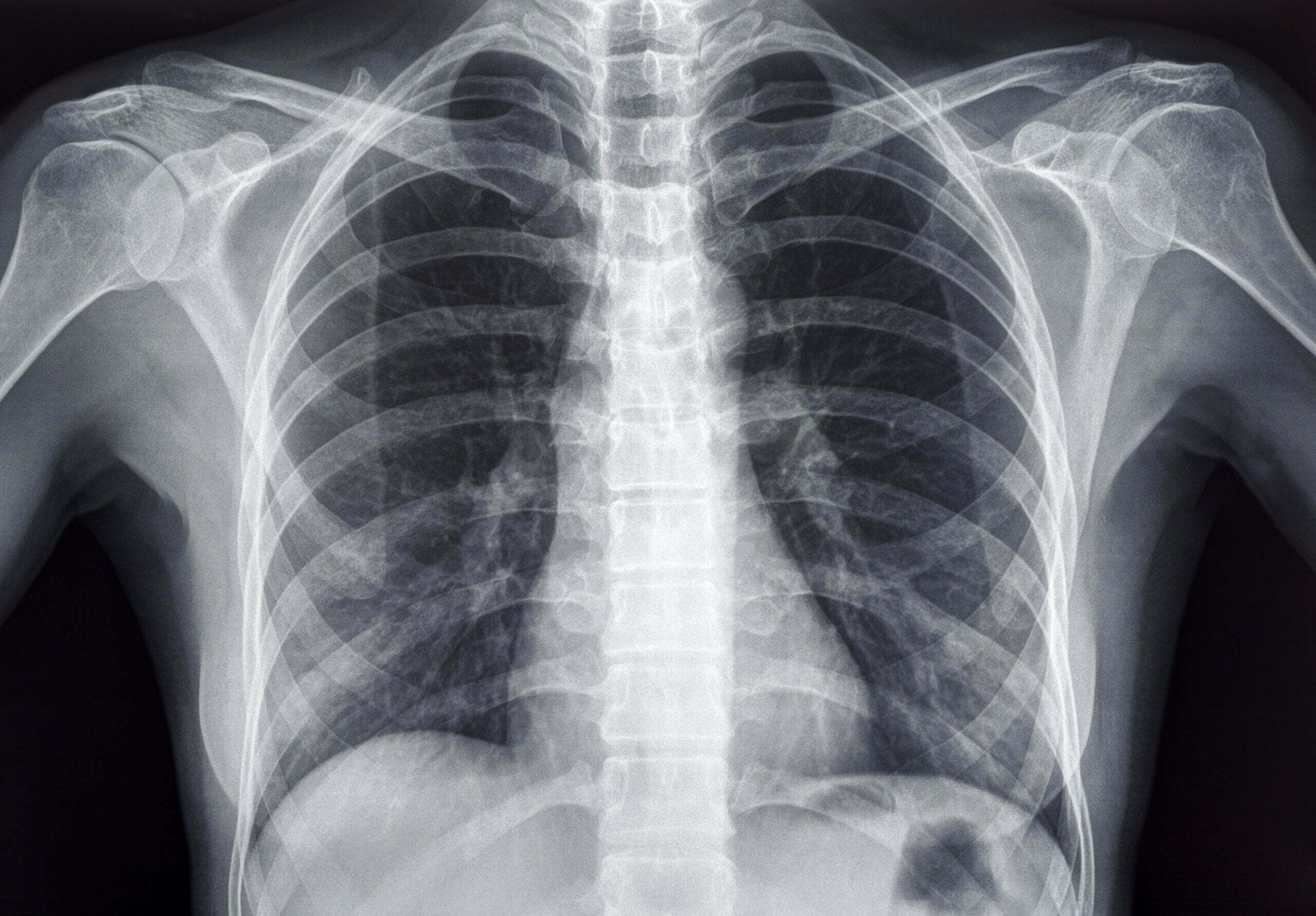
Although some contaminants, such as fumes and vapours, are invisible, there may be warning signs that your workplace air quality is unsafe.
Signs to watch for include:
- Visible dust settling on surfaces
- Lingering fumes after welding or spraying
- Persistent coughing or breathing discomfort from employees
- Strong chemical or smoke smells
- Filters clogging up quickly
- Poor suction from LEV extraction systems
- Previous failed LEV reports
Even one of these signs can indicate insufficient control measures.
Does General Ventilation Make Air Safe Enough?
Simply opening windows or doors and installing wall fans is rarely sufficient to eliminate harmful contaminants from the air.
This approach:
- Does not capture contaminants at source
- Only dilutes airborne substances
- Often fails to meet compliance standards
In many industrial processes, the appropriate control measure is Local Exhaust Ventilation (LEV), designed to capture and remove harmful substances at their source.
At McCarthy Environmental, we offer LEV Services across the board to help ensure that your ventilation is sufficient and compliant. Please let us know if you think we can help in any way at all.

The Role of LEV in Air Quality Control
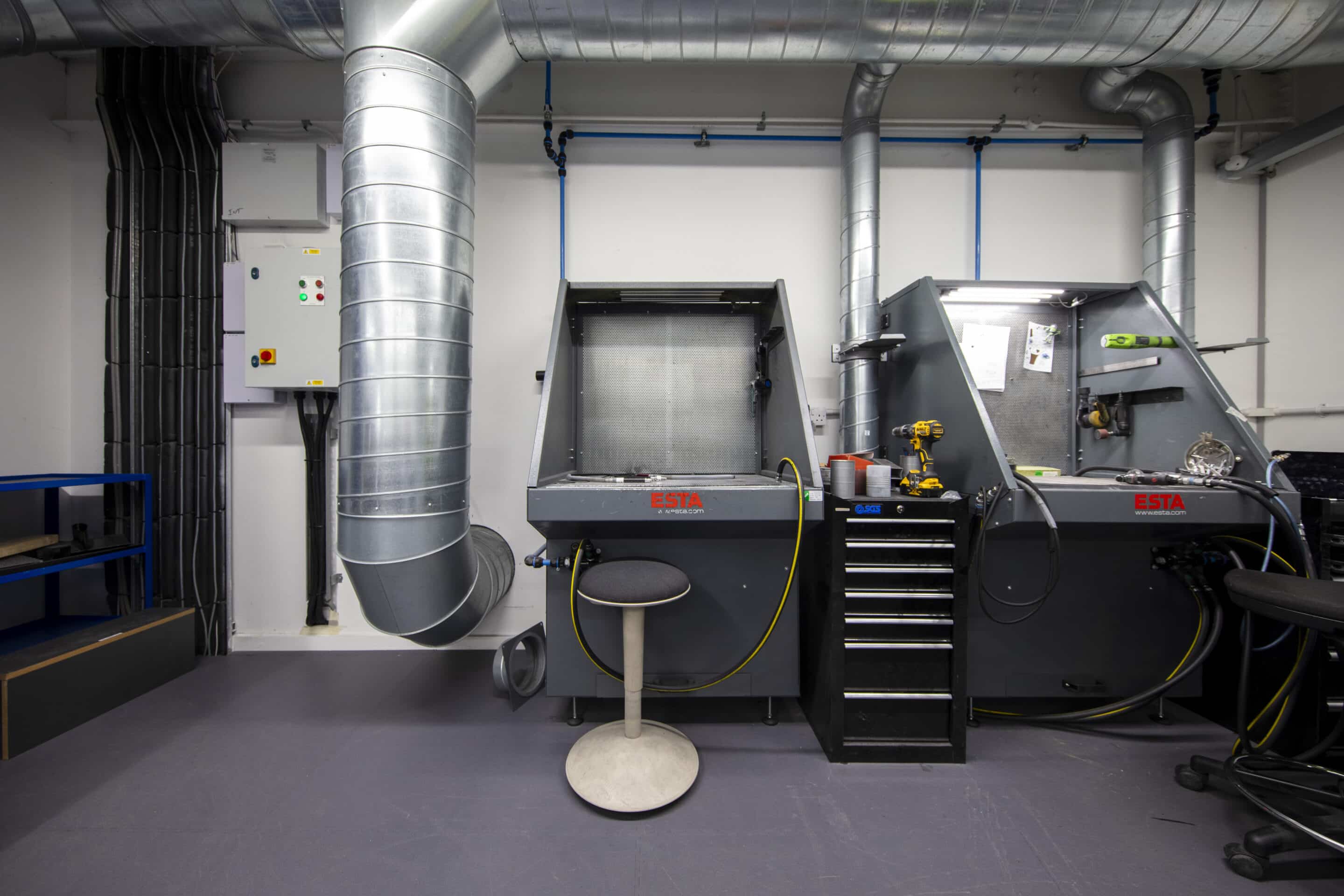
Local Exhaust Ventilation systems remove contaminants directly at the source, ensuring cleaner air and a safer breathing environment for workers.
However, installing an LEV system alone isn’t enough.
The system must be:
- Properly designed and suitable for the process
- Correctly installed and commissioned
- Regularly maintained
- Thoroughly examined and tested (at least every 14 months, or more frequently where required)
What Should You Do Next?
If you are unsure whether your workplace air is safe, the next step is simple:
Arrange a workplace air quality assessment, book an LEV Thorough Examination and Test, and get advice on the right extraction system for your process.
Acting now helps you avoid compliance issues and protects your workforce.
How We Help Businesses Ensure Safe Air Quality
We support UK businesses in understanding risks, complying with regulations, protecting employees, and passing inspections confidently.
We provide:
- LEV system design, installation and commissioning
- Servicing and maintenance
- Thorough Examination and Test (TExT)
- Repairs and upgrades
- Supply-only units (where applicable)
- Logbooks for compliance documentation
- Clear, practical advice
With more than 25 years of experience, we help make air quality and LEV compliance straightforward and manageable.

Speak to an Expert
If you’re uncertain about your workplace air quality or Local Exhaust Ventilation (LEV) requirements follow one of these 3 steps: Book an assessment, arrange an LEV test, and speak to a specialist.
Getting clarity now ensures your workplace remains safe, compliant and protected.