
How to Handle Dust or Fume Complaints in the Workplace
Employee complaints concerning dust, fumes, smoke, odours, or poor air quality should be treated as significant occupational health concerns rather than routine matters.
Staff frequently identify airborne contaminant issues before they are detected by monitoring systems, inspections, or management.
Failure to address dust or fume complaints endangers workers, increases employer liability, and may result in enforcement action by the Health and Safety Executive (HSE).
Don’t Worry, We Can Help!
This guide outlines the recommended actions for employers when staff report concerns regarding workplace air quality.
Including:
- How to investigate complaints properly
- Your legal duties under COSHH
- Common causes of dust and fume problems
- How to assess LEV performance
- Real-world examples of system failures
- Compliance risks of ignoring complaints
- When air monitoring or LEV testing is required
- Best practice for corrective actions
- Frequently asked questions

Don Not Ignore Dust and Fume Complaints
Employees are often the first people to notice:
- Lingering fumes
- Burning smells
- Increased dust deposits
- Reduced extraction performance
- Breathing discomfort
- Eye irritation
- Headaches
- Changes in airflow
- Poor visibility during processes
Importantly, many hazardous airborne contaminants are invisible. A workplace that appears visually clean can still expose workers to dangerous levels of harmful substances.
Solutions for Controlling Dust and Fumes


Dangers of Workplace Contaminants
- Welding fumes
- Silica dust
- Wood dust
- Flour dust
- Pharmaceutical powders
- Oil mist
- Chemical vapours
- Soldering fumes
- Paint overspray
- Metal particulates
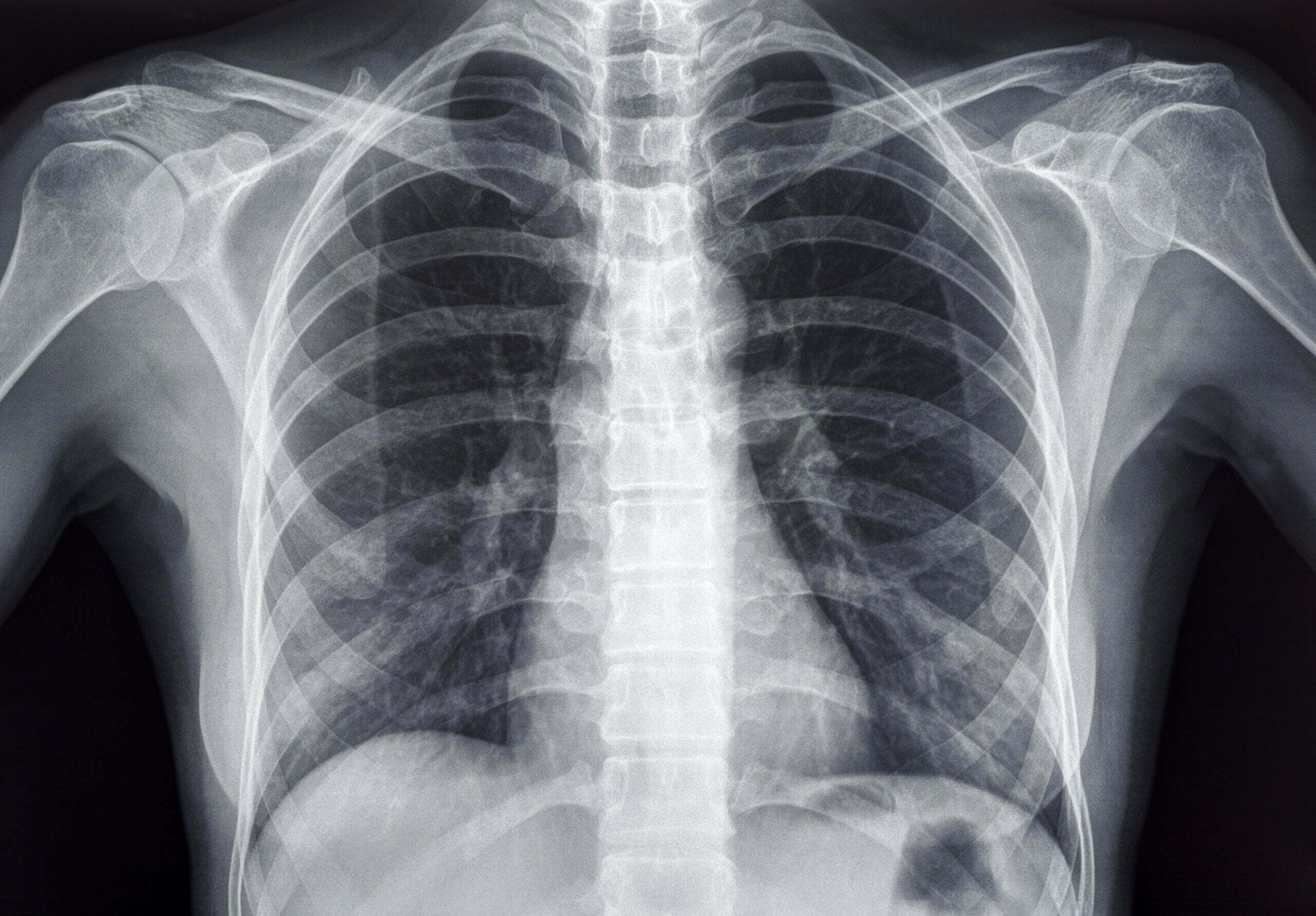
- Occupational asthma
- COPD
- Silicosis
- Respiratory sensitisation
- Dermatitis
- Long-term lung disease
- Cancer-related illnesses
Employer Responsibilities Under COSHH
In the UK, workplace exposure to hazardous substances is governed by:
- The Control of Substances Hazardous to Health Regulations 2002 (COSHH)
- Guidance issued by the Health and Safety Executive (HSE)
Under COSHH, employers must:
Assess Risks
Identify hazardous substances generated by work activities and evaluate exposure risks.
Prevent or Adequately Control Exposure
Employers must implement suitable control measures to reduce airborne contaminants.
Maintain Control Measures
LEV (Local Exhaust Ventilation) systems, extraction equipment, filters, and ventilation systems must remain effective and properly maintained. LEV is an extraction system that removes contaminants at the source.
Monitor Effectiveness
Control measures must be regularly tested, inspected, and reviewed.
Act on Problems Identified
If staff complaints indicate control failures, employers are expected to investigate and take corrective action.
Failure to respond appropriately can create significant compliance risks.
What Staff Complaints Often Indicate
Employee complaints are frequently symptoms of wider system failures.
Common underlying issues include:
- LEV systems are losing airflow
- Poor hood positioning
- Saturated filters
- Inadequate ventilation design
- Process changes increase exposure.
- Poor housekeeping
- Damaged ductwork
- Incorrect equipment use
- Inadequate maintenance
- Increased production output exceeding system capacity.
How Do You Know if an Extraction System Isn’t Working?
Many employers assume that because extraction systems are still “running,” they are functioning correctly. In reality, extraction performance can decline gradually over time without obvious warning signs.
Step 1: Take Complaints Seriously and Investigate Immediately
The first and most important step is acknowledging employee concerns and thoroughly investigating them.
Avoid dismissing complaints as:
- Minor irritation
- Operator error
- Temporary inconvenience
- “Normal” for the process
This approach can significantly increase legal and health risks.
Speak Directly with Employees
Gather detailed information, including:
- Where the issue occurs
- When it occurs
- Which tasks trigger exposure
- Whether symptoms worsen during specific activities
- Which employees are affected
- Whether the issue is constant or intermittent
Patterns in complaints often help identify the root cause.
Example: Welding Bay Complaints
In a fabrication workshop, employees repeatedly reported smoke and throat irritation near the welding stations. Management initially assumed the extraction arms were working properly because the system fans seemed to be running normally.
An investigation later identified:
- Extraction arms are positioned too far from the welding points.
- Reduced airflow caused by blocked filters
- Flexible ducting partially collapsed internally.
- Operators working outside effective capture zones.
Although the LEV system appeared operational, fume exposure levels had increased significantly.
Corrective actions included:
- Replacing saturated filters
- Rebalancing airflow
- Repairing damaged ducting
- Retraining staff on extraction positioning
After improvements, complaints reduced almost immediately.
Step 2: Identify the Source of Dust or Fumes
Before implementing corrective actions, it is essential to identify the precise sources of contaminants.
Key Questions to Ask
Which process generates the contaminants?
Examples may include:
- Welding
- Cutting
- Grinding
- Sanding
- Powder handling
- Spraying
- Mixing chemicals
Is the process continuous or intermittent?
Some contaminants are only released during:
- Equipment startup
- Product transfer
- Maintenance
- Cleaning activities
- High-output periods
Are workers positioned close to the source?
Exposure risk increases dramatically when operators work outside effective extraction zones.
Have there been recent changes?
Many exposure problems appear after:
- Production increases
- Process modifications
- Equipment relocation
- Staff changes
- New materials introduced
Maintenance failures
Step 3: Review Your COSHH Risk Assessment
Staff complaints are often a clear signal that your existing COSHH assessment may no longer reflect actual working conditions.
A compliant COSHH assessment should include:
- Hazardous substances produced
- Exposure routes
- Likelihood and severity of exposure
- Existing control measures
- Employee work practices
- Maintenance arrangements
- Emergency procedures
If workplace conditions have changed or complaints have been raised, the COSHH assessment should be reviewed without delay.
Common COSHH Assessment Failures
Many businesses rely on outdated assessments that:
- No longer reflects current processes.
- Ignore production increases
- Assume controls remain effective without testing.
- Fail to account for operator behaviour.
- Overestimate the effectiveness of general ventilation.
This creates major compliance vulnerabilities.
Step 4: Check Existing Control Measures
The next stage involves evaluating whether existing control measures are genuinely effective.
Common Workplace Controls Include:
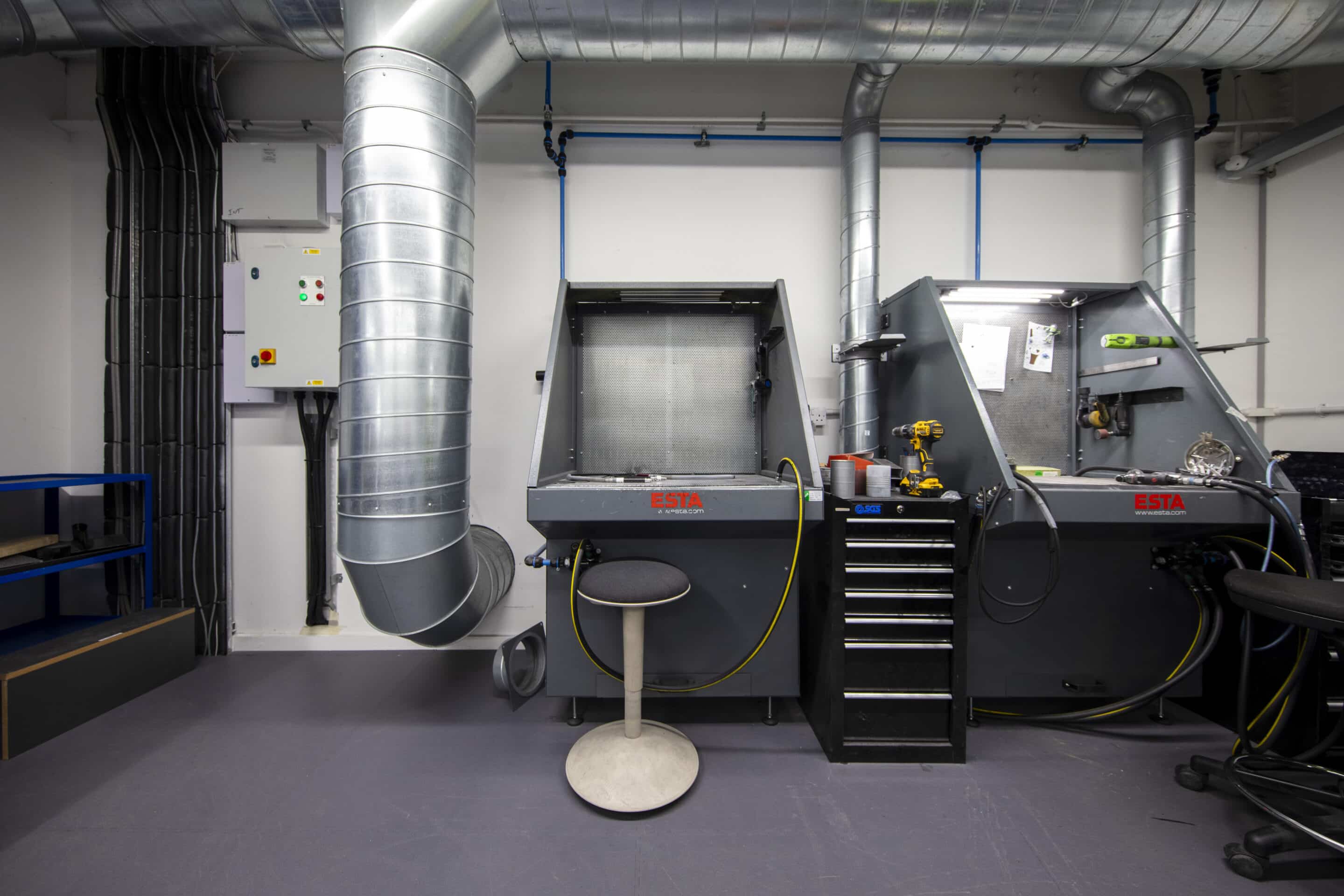
- Local Exhaust Ventilation (LEV)
- On-tool extraction
- Welding torches with integrated extraction
- Spray booths
- General ventilation systems
- Air filtration units
- Respiratory Protective Equipment (RPE)
Why General Ventilation Is Often Inadequate
One of the most common mistakes employers make is relying solely on general ventilation.
General airflow may dilute contaminants, but it rarely captures hazardous substances effectively at source.
This is particularly problematic for:
- Welding fumes
- Silica dust
- Pharmaceutical powders
- Solvent vapours
- Fine combustible dust
In many workplace environments, source capture through Local Exhaust Ventilation (LEV) is essential.
Assessing Your LEV System
If an LEV system is already installed, complaints may indicate that extraction performance has deteriorated.
Questions to Review
- When was the system installed?
- Has it been maintained regularly?
- Has it undergone a Thorough Examination and Test (TExT)?
- Have airflow measurements changed?
- Have filters been replaced?
- Has ductwork been inspected?
- Are operators using the system correctly?
What Is a Thorough Examination and Test (TExT)?
A Thorough Examination and Test is a formal inspection of your LEV system designed to confirm that it is operating effectively and properly controlling airborne contaminants.
Testing usually covers:
- Airflow measurement
- Capture velocity checks
- Filter inspections
- Hood positioning verification
- Ductwork examination
- System condition assessment
- COSHH regulations require most LEV systems to be tested at least every 14 months, with more frequent testing for high-risk processes.
Common LEV Failures Identified During Testing
Blocked Filters
As filters become saturated, airflow resistance increases and extraction performance drops.
Example:
At a woodworking facility, staff noticed increasing visible dust despite the extraction systems appearing to work properly. Engineers found that heavily clogged filters were restricting airflow to several extraction points. After the filters were replaced, the extraction performance was restored immediately.
Incorrect Hood Placement
LEV systems only work effectively when contaminants are captured close to the source.
Example:
In a soldering process, extraction nozzles positioned 30–40cm from the source captured very little fume.
Simple repositioning dramatically improved effectiveness.
Damaged Ductwork
Leaks and crushed ducting significantly reduce extraction performance.
Example:
A manufacturing site repeatedly failed LEV testing due to hidden duct leaks above suspended ceilings that reduced airflow across the entire system.
Fan Performance Issues
Worn motors, damaged impellers, or incorrect fan sizing can reduce extraction capacity.
Step 5: Arrange Air Monitoring or LEV Testing
If concerns persist after reviewing control measures and risk assessments, formal testing should be arranged.
This may include:
- LEV Thorough Examination and Testing
- Occupational hygiene air monitoring
- Dust exposure monitoring
- Fume exposure assessments
- Smoke testing for airflow visualisation
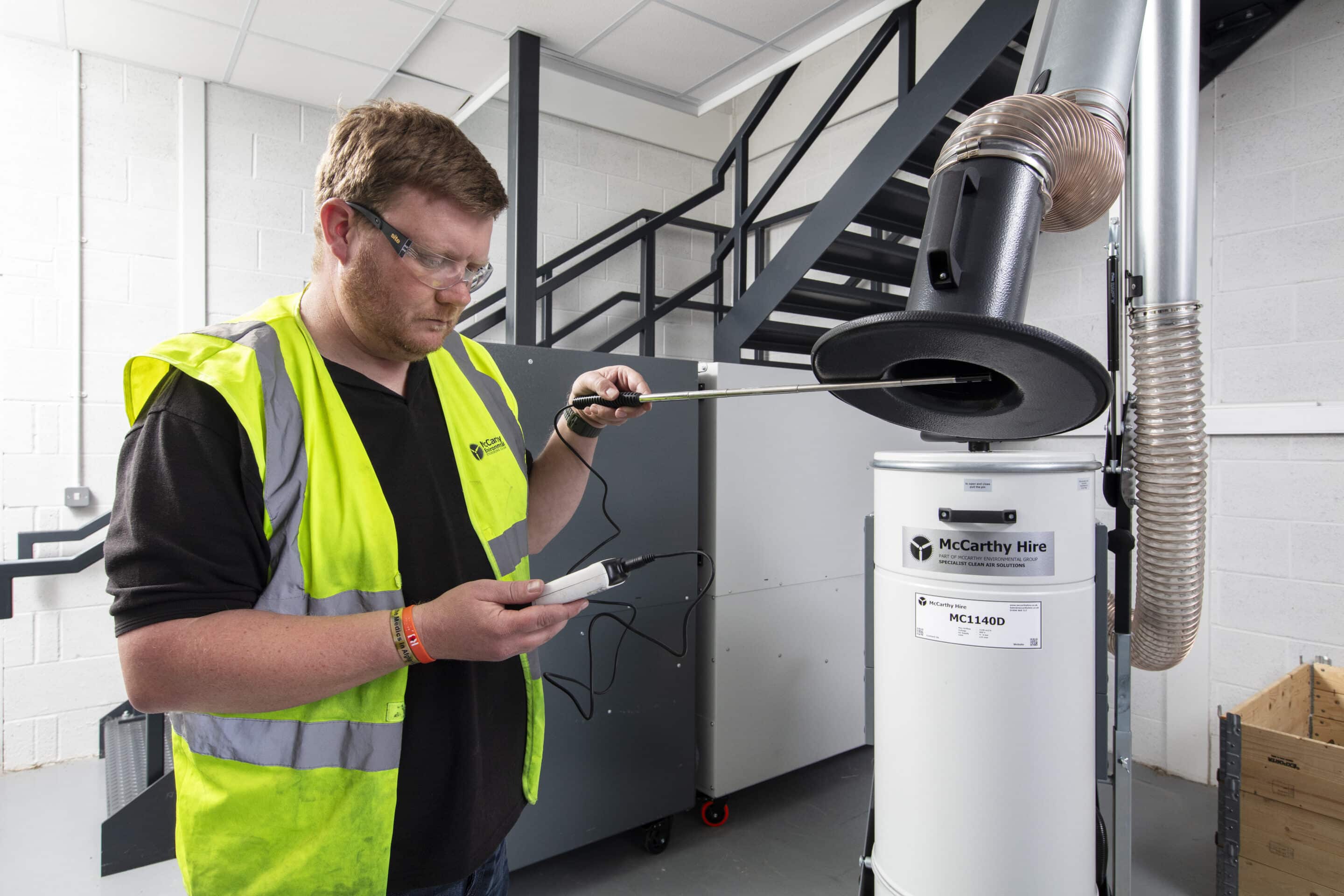
A competent engineer or occupational hygienist should carry out these assessments.
What a Good LEV Report Should Include
A compliant report should contain:
- Test measurements
- Airflow readings
- System condition findings
- Defects identified
- Corrective actions required
- Pass/fail outcomes
- Date of next examination
Employers should retain these reports for inspection purposes.
Step 6: Act on Corrective Actions Quickly
One of the biggest compliance failures is identifying problems but failing to resolve them promptly.
If the report identifies issues, corrective actions should be implemented promptly.
Common corrective actions include:
- Replacing filters
- Repairing ductwork
- Rebalancing airflow
- Upgrading fans
- Redesigning hoods
- Improving process containment
- Introducing additional extraction
- Changing operator positioning
In certain cases, systems may require a complete redesign if they are fundamentally unsuitable for the intended process.
Step 7: Train Employees Properly
Even well-designed systems can fail if employees are not adequately trained.
Staff should understand:
- How the extraction system works
- Correct positioning techniques
- Why extraction distance matters
- How to identify faults
- Reporting procedures
- Maintenance awareness
Inadequate user practices are among the most common causes of ineffective contaminant control.
Compliance Risks of Ignoring Dust or Fume Complaints
Ignoring complaints can expose businesses to serious legal, operational, and financial consequences.
The HSE may issue:
- Improvement Notices
- Prohibition Notices
- Enforcement investigations
- Prosecution proceedings
Increased Liability
Employers may face:
- Compensation claims
- Insurance complications
- Civil litigation
- Contractual issues
- Reputation damage
Workforce Impact
Poor air quality often leads to:
- Increased sickness absence
- Reduced morale
- Higher staff turnover
- Lower productivity
- Employee distrust
Industries Most at Risk
Dust and fume complaints are especially common in:
- Welding and fabrication
- Manufacturing
- Woodworking
- Construction materials
- Pharmaceutical production
- Food processing
- Automotive repair
- Aerospace engineering
- Laboratories
- Chemical processing
Speak to an Expert
If you’re uncertain about your workplace air quality or Local Exhaust Ventilation (LEV) requirements follow one of these 3 steps: Book an assessment, arrange an LEV test, and speak to a specialist.
Getting clarity now ensures your workplace remains safe, compliant and protected.
Frequently Asked Questions
Are employee complaints enough to trigger a COSHH review?
Yes. Complaints may indicate that current controls are ineffective or that conditions have changed.
Does visible dust always mean controls are failing?
Not always, but visible airborne dust usually indicates contaminants are escaping control measures and should be investigated immediately.
Is general ventilation enough to control dust or fumes?
In many cases, no. Hazardous airborne contaminants often require Local Exhaust Ventilation (LEV) or source capture systems.
How often should LEV systems be tested?
Most LEV systems require a Thorough Examination and test every 14 months under COSHH regulations.
Can an LEV system fail even if it is still running?
Yes. Fans can continue operating while airflow, capture velocity, or filter performance deteriorates significantly.
What should I do if employees report breathing problems?
Investigate immediately, review your COSHH assessment, assess exposure controls, and seek competent advice if necessary.
Employee complaints about dust, fumes, or poor air quality should never be treated as minor operational issues.
They are often early warning signs that workplace exposure controls are no longer effective.
Timely responses, regular review of COSHH assessments, inspection of LEV performance, competent testing, and implementation of corrective actions enable employers to protect worker health, maintain compliance, and avoid costly enforcement actions or operational disruptions.
A proactive approach to workplace air quality reduces risk and demonstrates a genuine commitment to employee safety, operational standards, and long-term business resilience.