
Your Responsibilities for Local Exhaust Ventilation (LEV)
If your workplace produces dust, fumes, vapours, or mists, installing a Local Exhaust Ventilation (LEV) system is the first step.
As an employer or duty holder, you are responsible not only for having an LEV system in place but also for ensuring it continues to protect workers and complies with legal requirements.
Many businesses fall short because they assume responsibility lies with installers, engineers, or maintenance providers, when the legal responsibility always remains with the employer.
Why These Responsibilities Matter
LEV systems are designed to control harmful airborne contaminants directly at the source where they are generated, before workers can breathe them in.
Examples of harmful airborne contaminants include welding fumes, wood dust, silica dust, flour dust, chemical vapours and metalworking fluids.
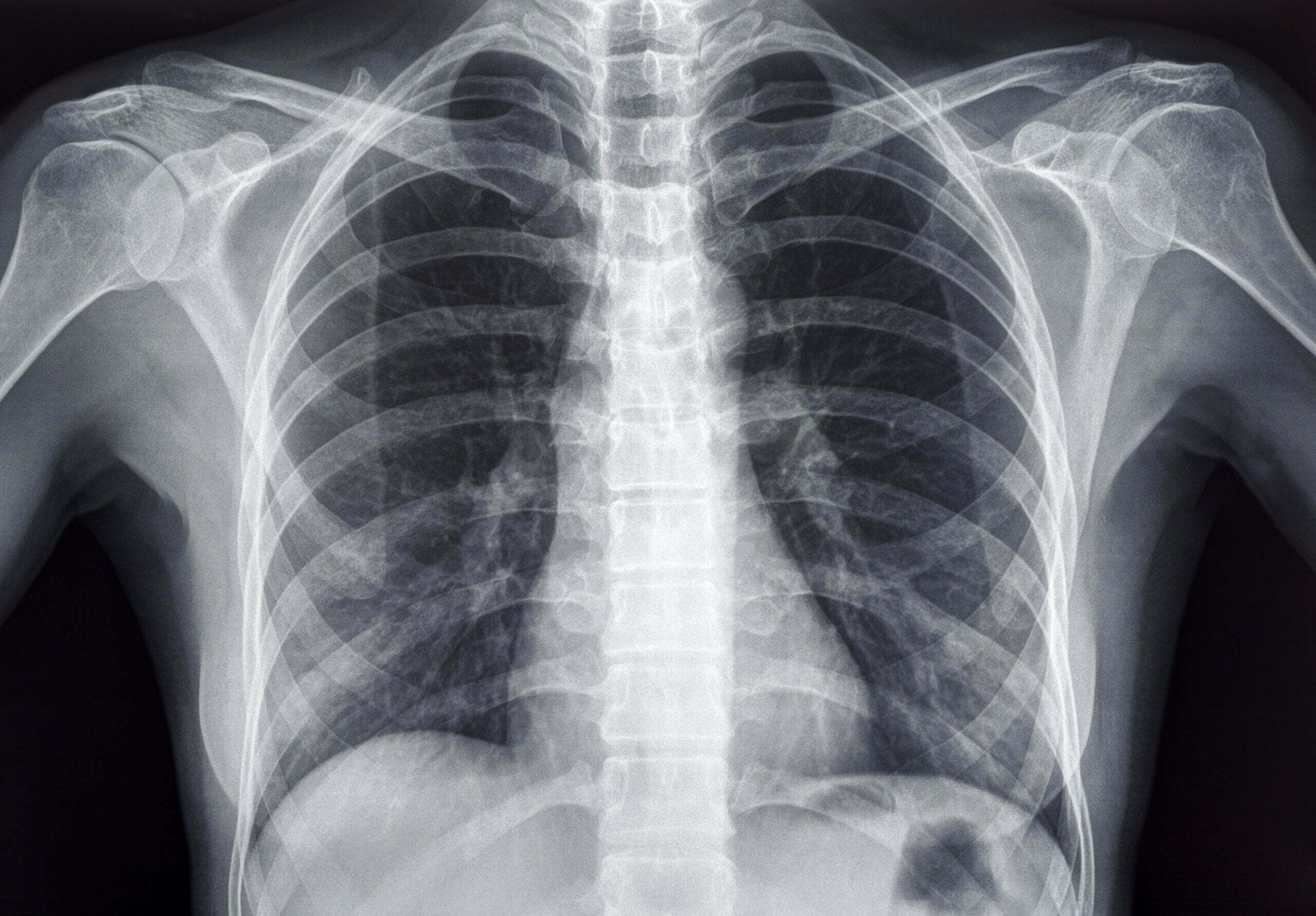
Without effective control, exposure can lead to serious health problems for employees, including:
- Occupational asthma
- Lung disease
- Skin conditions
- Long-term respiratory damage
Ensuring your LEV system works properly protects your workforce and your business.

Legal Responsibilities
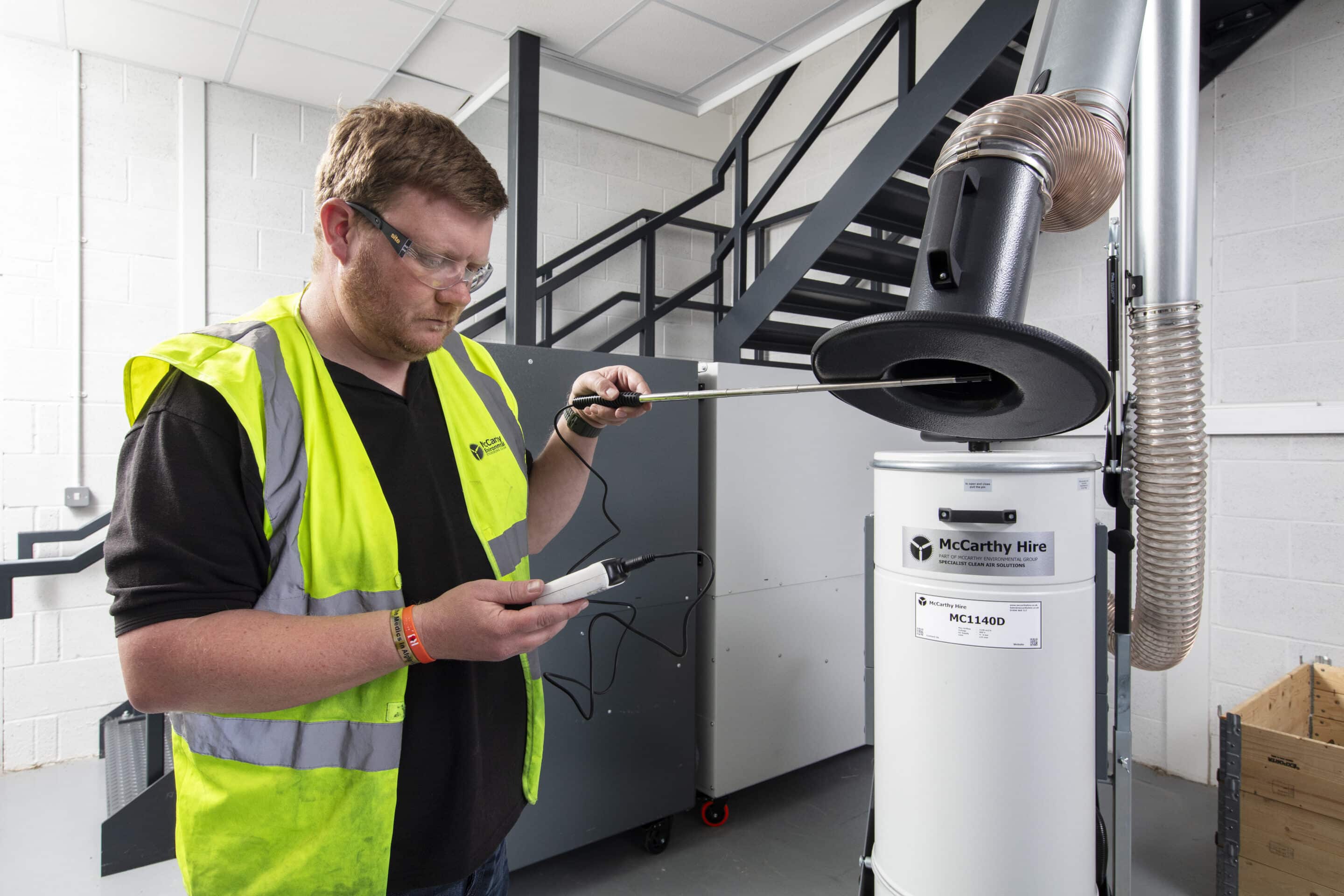
Employers’ LEV responsibilities in the UK are primarily governed by the Health and Safety Executive and the Control of Substances Hazardous to Health Regulations 2002.
Under these regulations, employers must:
- Prevent or adequately control exposure to hazardous substances
- Maintain effective control measures
- Ensure LEV systems are thoroughly examined and tested (every 14 months and in some cases more frequently)
- Keep appropriate records
Even when using a reputable company to install and service the system, the duty to ensure compliance remains with the employer.
Our Services For LEV Compliance


Key Responsibilities for LEV
- Complete a COSHH Risk Assessment
- Install a suitable LEV System
- Regular maintenance
- Regular Testing (Thorough Examination and Test)
-
You must carry out a COSHH risk assessment to identify:
- Hazardous substances generated in your processes
- Potential exposure routes (inhalation, skin contact, etc.)
- The level of risk to workers
- Appropriate control measures
This assessment should also determine whether LEV is required and whether existing systems are suitable.
A suitable and sufficient COSHH assessment should:
- Be specific to your processes and materials
- Consider how work is actually carried out (not just intended procedures)
- Be reviewed regularly and updated if processes change
- Identify where LEV is needed and how it should perform
LEV systems should always be based on a clear understanding of risk.
-
You must ensure that the installed LEV system is:
- Suitable for your specific process
- Designed to effectively capture contaminants
- Positioned correctly for optimal capture
Choosing the right system is essential for effective control. Poorly designed or incorrectly installed systems may fail to protect workers even if they appear to be working.
LEV systems require regular maintenance to remain effective and compliant.
Maintenance is a legal requirement under COSHH to ensure control measures continue to function properly.
This may include:
- Replacing filters
- Cleaning ductwork to prevent blockages
- Repairing damaged components
- Checking airflow and system performance
- Ensuring fans and motors are operating correctly
A planned maintenance schedule should be in place, based on:
- Manufacturer guidance
- System usage levels
- The type of contaminants being extracted
Without regular maintenance, system performance will decline over time, increasing the risk of exposure and potential test failure.
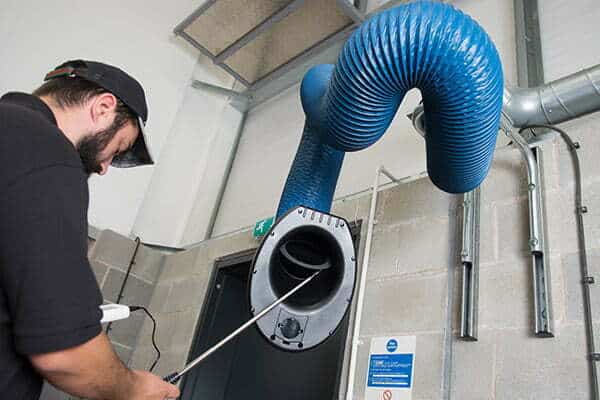
LEV systems must undergo a Thorough Examination and Test (TExT) at least every 14 months, though in some cases this may be required more frequently.
This examination checks whether the system is:
- Capturing contaminants effectively
- Maintaining sufficient airflow
- Functioning as originally designed
A TExT must be carried out by a competent person who will provide a formal LEV test report confirming the system’s performance and compliance, including any recommended corrective actions.
This report is essential for demonstrating compliance during inspections.
How Often Should LEV Systems Be Tested?
In most cases, LEV systems must be tested at least every 14 months.
However, more frequent testing may be required depending on:
- The level of risk identified in your COSHH assessment
- The type of substances being controlled
- The intensity of system use
- Previous performance issues or failures
Additional testing may also be needed:
- After installation of a new system
- Following significant repairs or modifications
- If there are concerns about system performance
It is the employer’s responsibility to ensure testing is carried out on time and recorded properly.
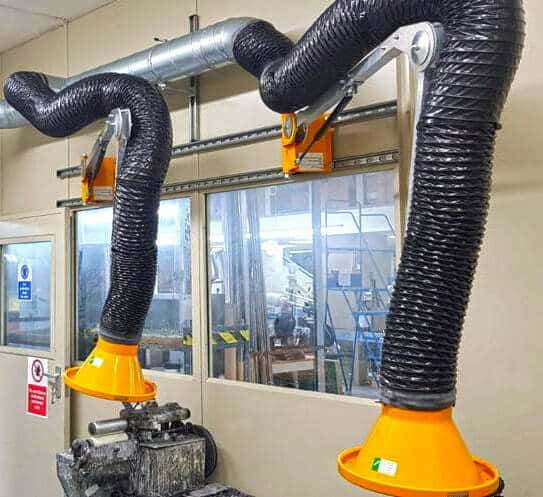
Ensure Employees Use LEV Systems Correctly
Providing basic training ensures LEV systems operate effectively in practice.
Employees need to understand:
- The purpose of the LEV system
- How to position work correctly relative to extraction points
- How to recognise warning signs of poor performance
- When and how to report faults
Even a well-designed system can fail if it is not used correctly.
Act on Failures or Performance Issues
If your LEV system is showing signs of poor performance or fails a TExT, you must take corrective action.
Addressing problems promptly ensures continued protection for employees.
Failure to act on identified issues can:
- Increase health risks
- Lead to system deterioration
- Result in enforcement action
Common issues that require action include reduced airflow, blocked filters, damaged ducting or ineffective capture.
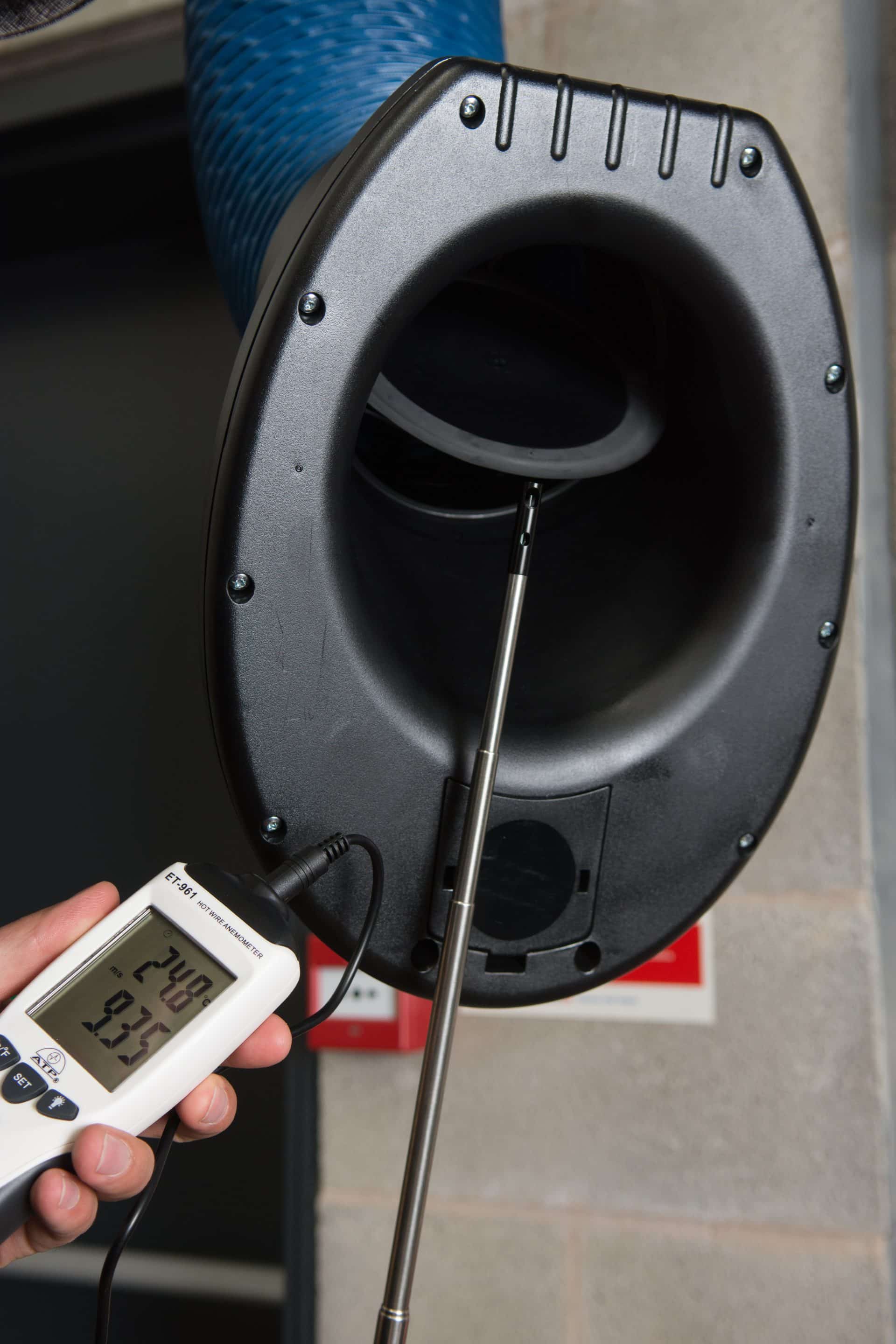
Summary of Employer LEV Responsibilities
To remain compliant and protect your workforce, employers must:
- Carry out and regularly review COSHH risk assessments
- Ensure suitable LEV systems are installed
- Maintain systems in good working order
- Arrange Thorough Examination and Testing every 14 months (or more frequently if required)
- Keep clear and accessible records
- Train employees to use systems correctly
Act on faults, failures or performance concerns
Being Responsible
Proper management of Local Exhaust Ventilation offers benefits that go beyond mere compliance or ticking boxes.
It helps:
- Protect employees’ health
- Reduce long-term health risks
- Improve workplace conditions
- Sustain productivity
- Prevent enforcement action
- Foster a strong safety culture
LEV systems are designed to protect employees, but their effectiveness depends on accurate risk assessment and active risk management.
Taking responsibility for LEV ensures your workplace remains both safe and compliant.

Speak to an Expert
If you’re uncertain about your workplace air quality or Local Exhaust Ventilation (LEV) requirements follow one of these 3 steps: Book an assessment, arrange an LEV test, and speak to a specialist.
Getting clarity now ensures your workplace remains safe, compliant and protected.